

Me and my cat

Healthy pet nutrition: How to recognise high-quality dog and cat food
In this article, you will learn what is important for species-appropriate pet nutrition, how to recognise high-quality food and what mistakes to avoid.
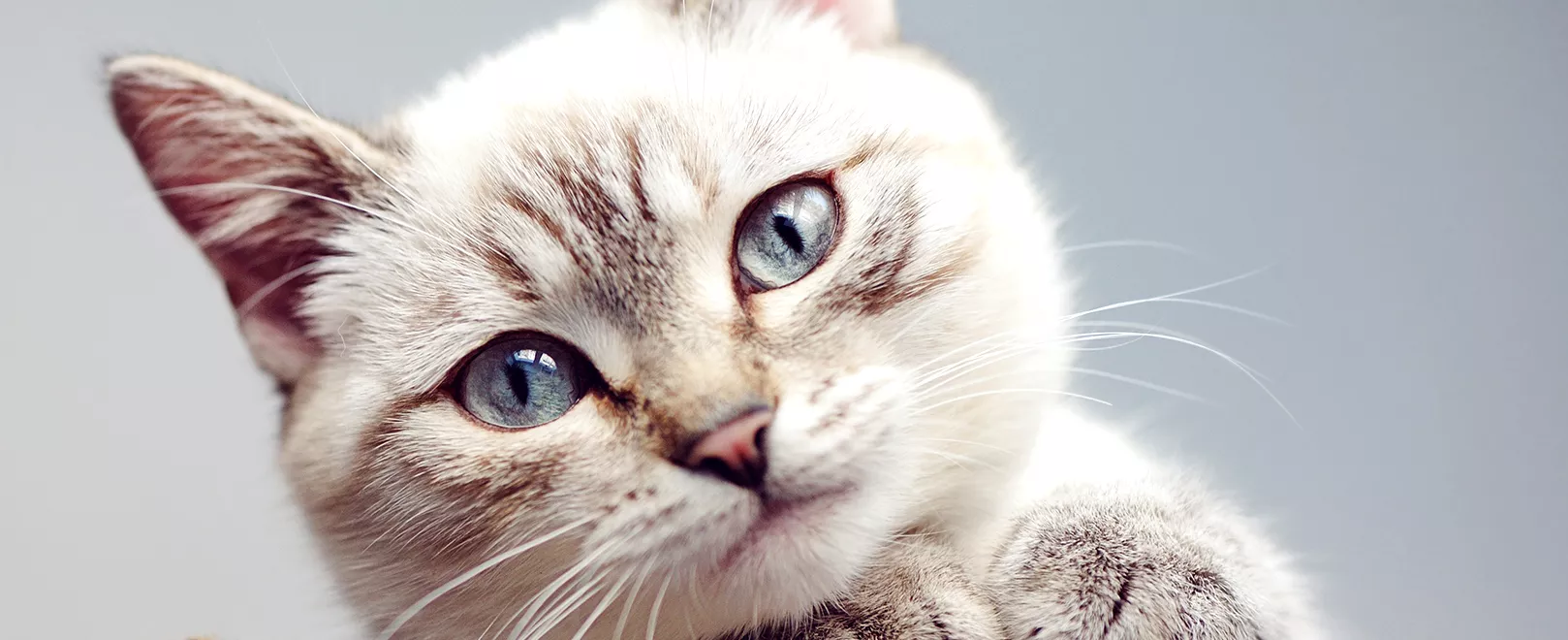
Why grain in cat food is bad: 7 alarming facts for cat owners
You only want the best for your cat, and that includes a healthy cat diet. Did you know that many commercially available cat foods contain a high proportion of grain? Grain is anything but ideal for your cat and can even be harmful to its health. Read here to find out why grain in cat food is bad and how you can get your cat used to a grain-free diet.
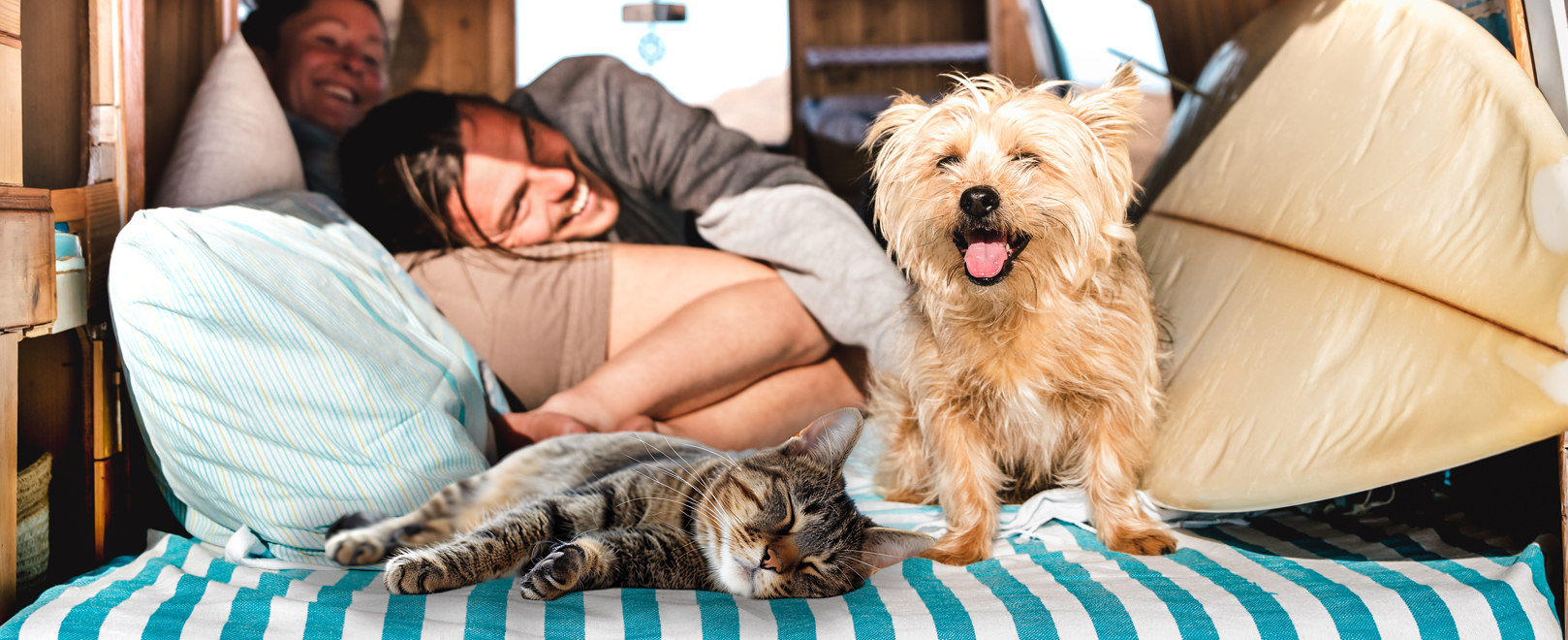
Holidays with dogs and cats: A comprehensive guide to stress-free travel
A holiday with your dog or a trip with your beloved cat can be really enjoyable, as long as you are properly prepared. But what exactly do you need to consider when going on holiday with your pet? How do you find pet-friendly accommodation and which destinations are best suited? Here you will find everything you need to know for a relaxing holiday with your dog or cat.

Stop your dog from biting - 6 pro tips for puppies & adults
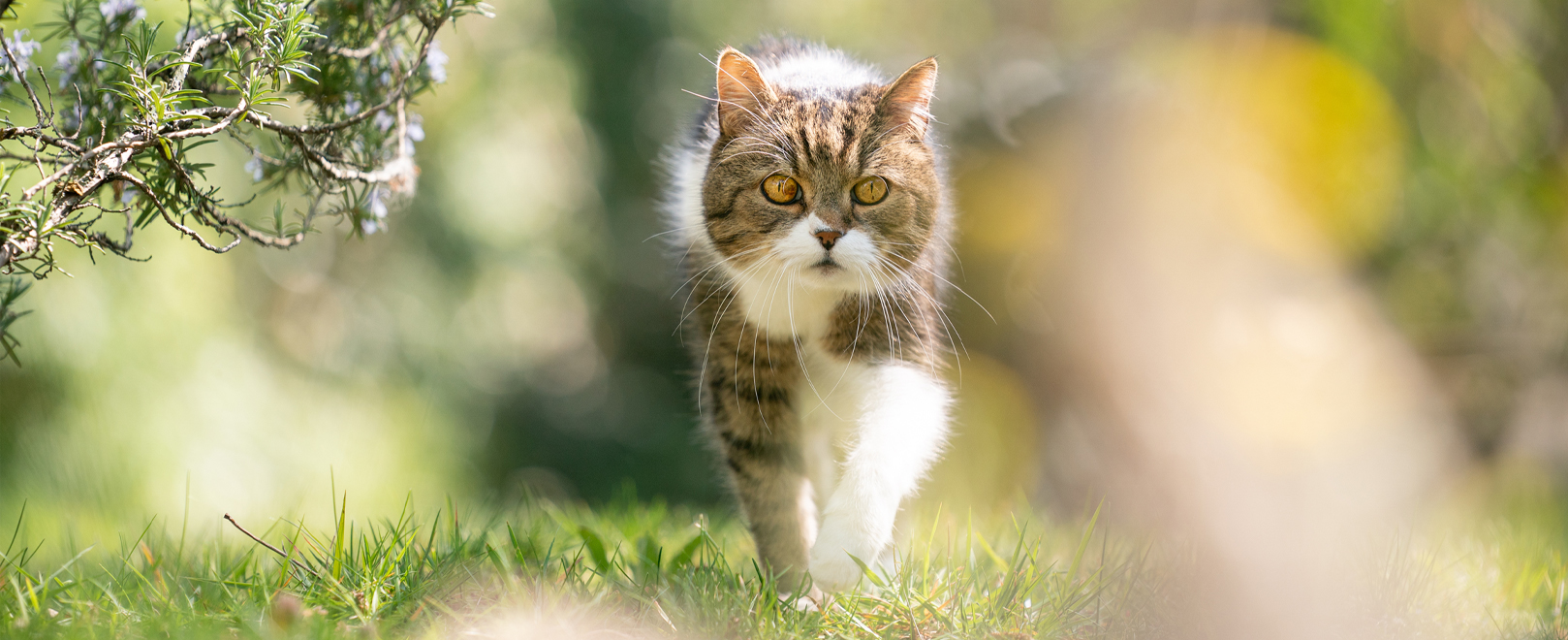
Cats in summer: What's good for cats in the heat?
‘36 degrees and it's getting even hotter?’ Heat like this doesn't just affect you, but also your velvet paw. Our cool tips for hot summer days show what's good for cats in the heat and how you can cool them down with homemade ice cream.
Important note: In the event of serious symptoms of overheating, you should consult a vet immediately. This article does not replace veterinary advice.
12 tips against uncleanliness in cats - causes & solutions
Cleaning the litter box: Ultimate tips for easy litter box cleaning

Recall training - 5 effective methods that really work
Organic cat litter or mineral cat litter - which is best for my cat
How much exercise does my dog need - 5 tips for fun, games and fitness
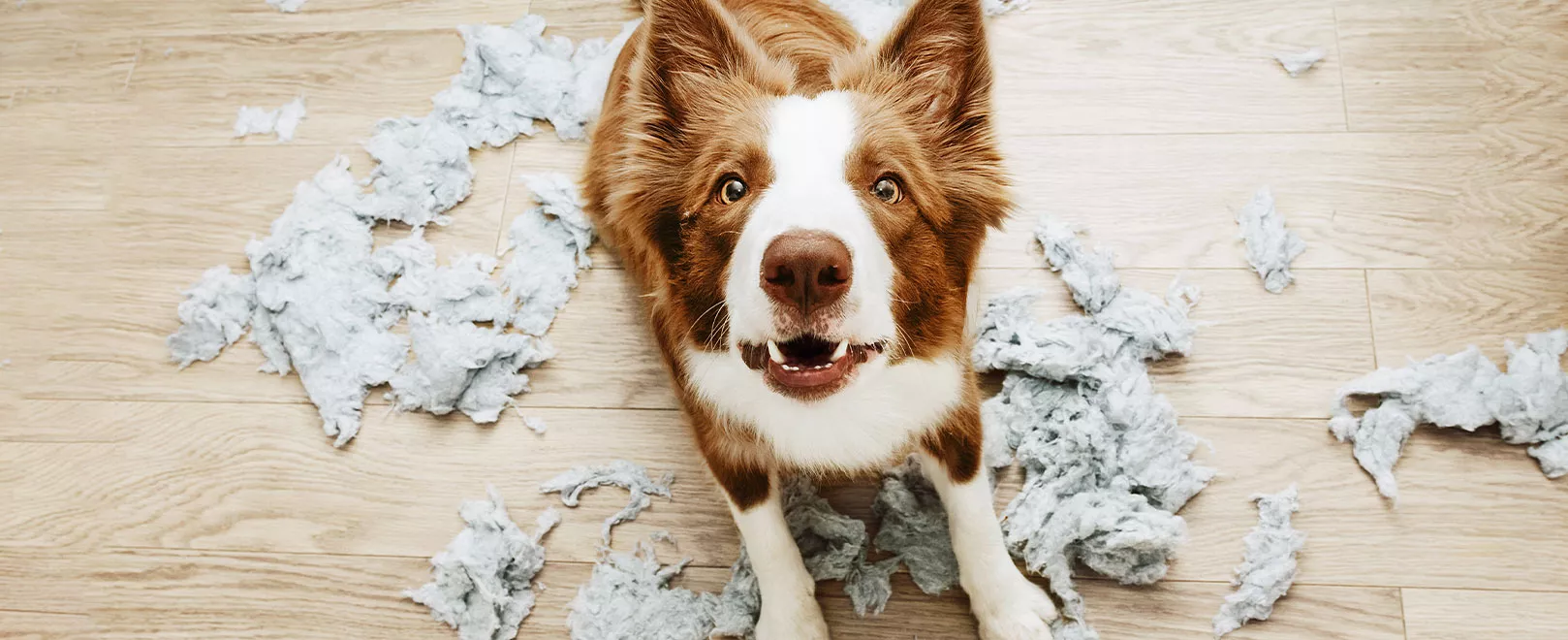
Relieving separation anxiety in dogs - these 5 tips will help combat panic
Does your dog panic as soon as you leave the house? He's not alone: separation anxiety is not uncommon in dogs and often manifests itself in destructive behavior. But what can you do to help your four-legged friend? Here are 5 proven methods to relieve your dog's anxiety.
What is separation anxiety in dogs?
Separation anxiety is a serious behavioral problem in which a dog shows excessive anxiety and stress as soon as it is separated from its caregiver. It sometimes manifests itself with extreme anxiety as soon as you reach for your jacket or keys.
Typical symptoms of separation anxiety in dogs
- Destructive behavior towards furniture, doors or windows
- Persistent barking, howling or whining
- Urination, even in otherwise reliably house-trained dogs
- Self-injurious behavior such as excessive licking or biting
- Attempts to escape from the home
- Sudden changes in your daily routine, for example when you go back to work for several hours after a long time at home
- Changes in family life, such as moving house, a new pet, a family member moving out, etc.
- Traumatic experiences or previous experiences of loss
- Lack of acclimatization to being alone during puppyhood
- Excessive attention and lack of independence
Dogs are creatures of habit and any major change can trigger stress. Four-legged friends who have simply never been taught to stay alone are particularly susceptible.
How does separation anxiety differ from other behavioral and health problems?
The destructive behavior, urination, howling and extreme restlessness can of course also have other causes, such as:
- Boredom and lack of exercise
- Age-related cognitive disorders
- Urinary tract infections or bladder weakness
- Digestive disorders
- Parasites or other illnesses
- Incomplete house-training or marking behavior
Therefore, if you suspect separation anxiety, it is important that you first consult yourvet and tell them about the problem. This will ensure that you do not misjudge the symptoms. However, if it really is separation anxiety, you can counteract it with behavioral training.

Stop your dog from barking: 5 effective tips that really work
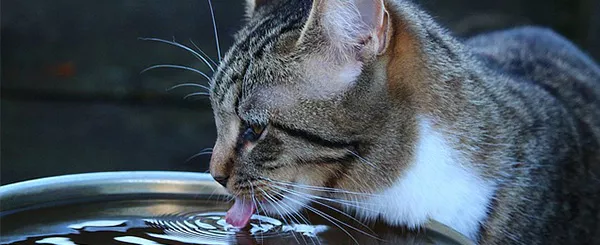
Cat not drinking? How to get your cat used to the drinking fountain
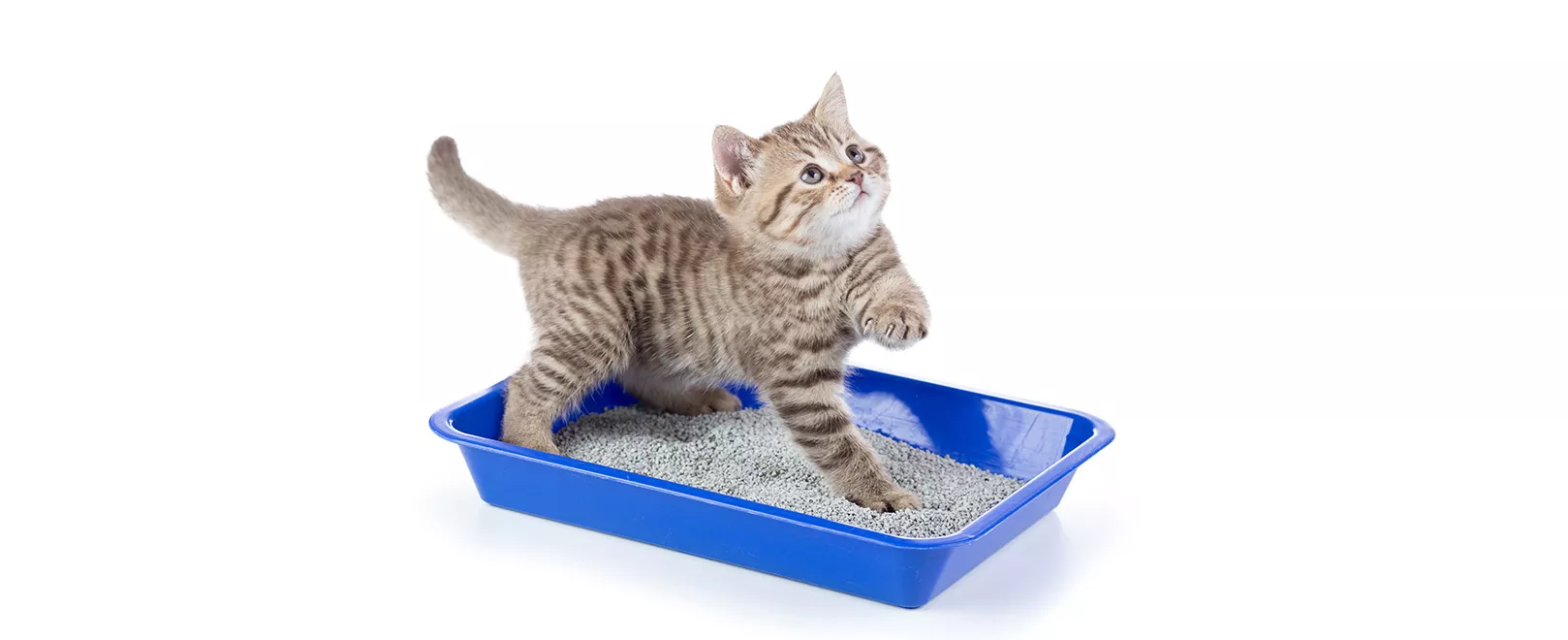
Cat spreading cat litter: Which cat litter makes the least mess?
In this comprehensive guide, you will find out why your cat is littering from the toilet and what simple but effective solutions there are. From innovative cat litter trays to practical everyday tips - we show you which cat litter makes the least mess and how to keep your home clean - without having to constantly sweep up after your cat.
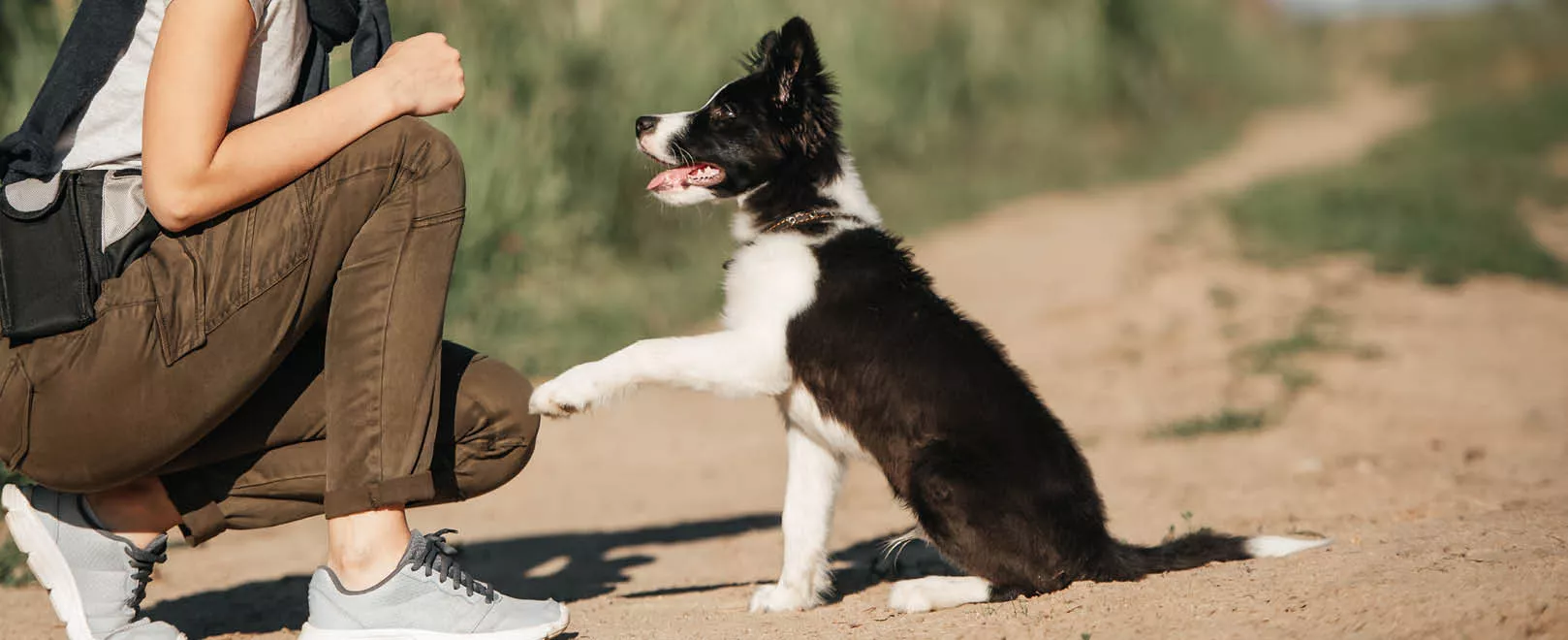
The best dog snacks for rewards & training - which treat is suitable when?
While small, soft treats are ideal for trick training because they are eaten quickly, a chew can help to keep a dog occupied or calm it down after training. But what dog snacks are there and when should you use which type of treat?